
Look around your office right now. The sheer volume of synthetic content, automated updates, and vanity metrics is at an all-time high. Most leadership teams are celebratory about this, completely convinced that their spike in outbound activity means they are winning. They are wrong. They are driving an operational joyride straight into a brick wall because they have fundamentally confused high-volume motion with actual business momentum.
The market does not care about how much noise you can generate. When you inject autonomous capabilities into an old, bloated corporate blueprint, you do not fix the business. You just automate your inefficiencies and accelerate your slide into the dirt. Activity is not ownership. If you are using technology to escape the heavy lifting of real execution, you are making yourself completely obsolete. The line between true operators and people who just…do is being carved out in real time.
This shift is not waiting for enterprise software procurement cycles or formal executive alignment. t is already altering basic human behavior at the grassroots level, in places you’d least expect.
Series B Youth Sports
You think AI is changing business? You should see youth sports. I know parents using AI to design practices, scout opponents, analyze film, and build player development plans for 12-year-olds.
One dad trained Claude on our playbook. Another is generating scouting reports for kids he carpools to practice. We're turning 12-year-old basketball into a Series B startup.
I still can't decide if this is awesome or deeply concerning.
But when you bring that raw execution speed back into your corporate calendar, it does not magically clear your schedule. It just exposes how broken your internal workflows actually are.
More Time with Less Focus
Everyone told me AI would save me time. I've never been busier. The problem is every time AI removes a bottleneck, I discover three more things I could be doing.
I didn't get my time back. I just increased the number of ways I can be overwhelmed.
We are flooding the ecosystem with automated noise disguised as genuine engagement, and it is actively destroying the concept of digital community.
Is Anyone Actually Typing?
All LinkedIn comments are AI-written now. Okay, maybe not all. But enough that I've stopped assuming there's a human on the other side.
Comments used to mean something. A thoughtful comment meant somebody read your post.
Now I find myself reading comments wondering, did this person actually think this? Or did they just hit a button?
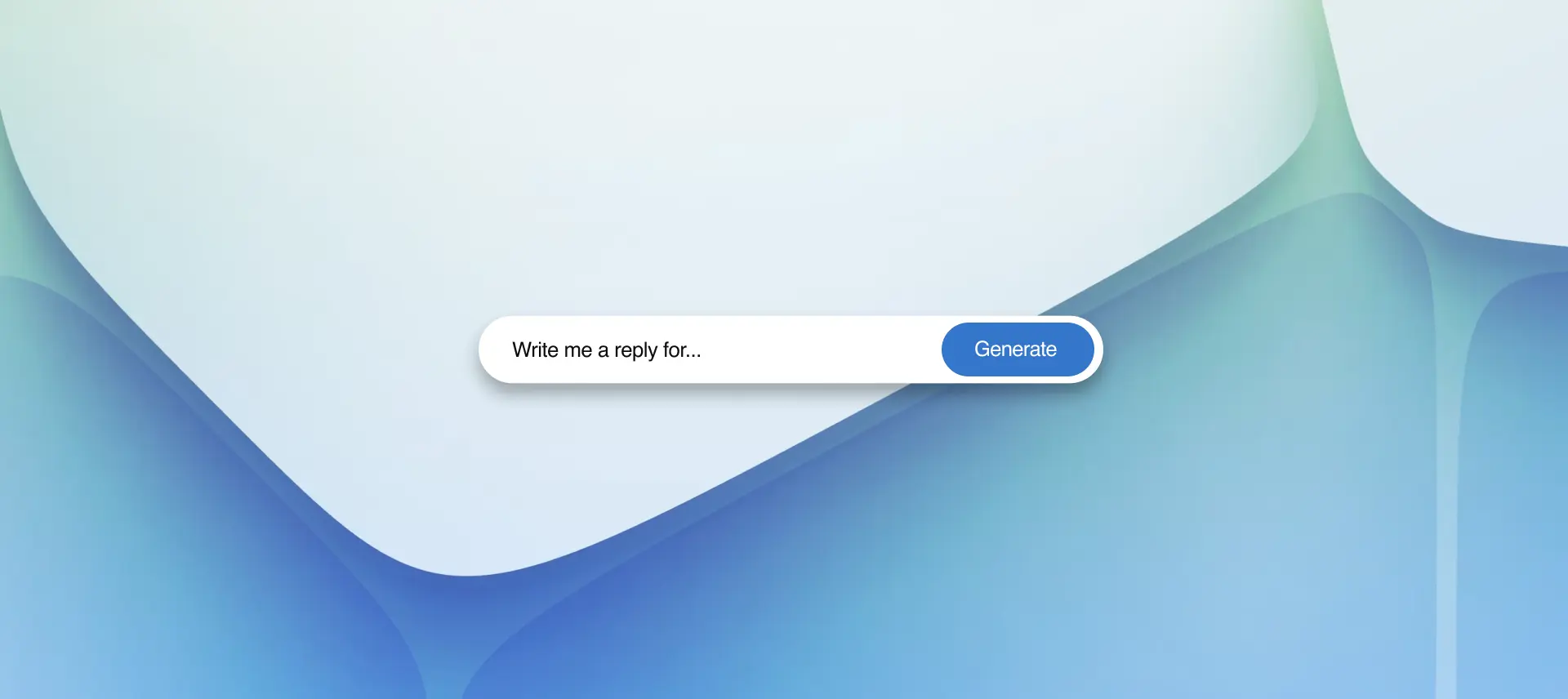
The whole thing is starting to feel a little ridiculous. Maybe the next LinkedIn feature should be a badge that says: "I actually typed this myself."
This transactional laziness is not only on social media, it has made its way to corporate offices, creating the downfall of basic professional accountability.
The "AI Put This Together" Excuse
We are witnessing an epidemic of professionals who want the credit for output without doing the intellectual heavy lifting to back it up. The most dangerous phrase in business right now is: "I haven't really reviewed it, but AI put this together."
Think about how insane that sounds. Imagine five years ago walking into a meeting and saying, "I haven't reviewed the deck, but let's present it anyway."
Nobody would tolerate that.
Yet somehow AI has convinced people they can attach their name to work they don't understand, don't agree with, and can't defend.
We're creating a generation of professionals who can generate content but can't explain it. Here's a simple rule: If your name is on it, it's yours.
- I don't care if AI wrote 90% of it
- I don't care if an intern wrote it
- I don't care if your dog wrote it
- If it's wrong, misleading, bloated, or confusing that's on you.
AI should make you smarter, not less accountable. Own your damn work.
To stop this epidemic of unthinking middlemen, we have to completely change how we source and deploy talent. The old game of using entry-level roles for mindless administrative paper-pushing is officially over.
Hiring AI-Native (Or Not At All)
Stop telling college graduates AI is stealing their jobs. That's not what's happening.
AI is eliminating the jobs that never should have been careers in the first place. We've always told graduates to start their careers doing mindless work and somehow convinced ourselves it was "paying your dues."
It wasn't. We called it training but it was really organizational inefficiency.
So now AI can do most of that work...good. If you actually look at what's going on, a ton of companies aren't hiring fewer graduates, they're hiring different graduates.
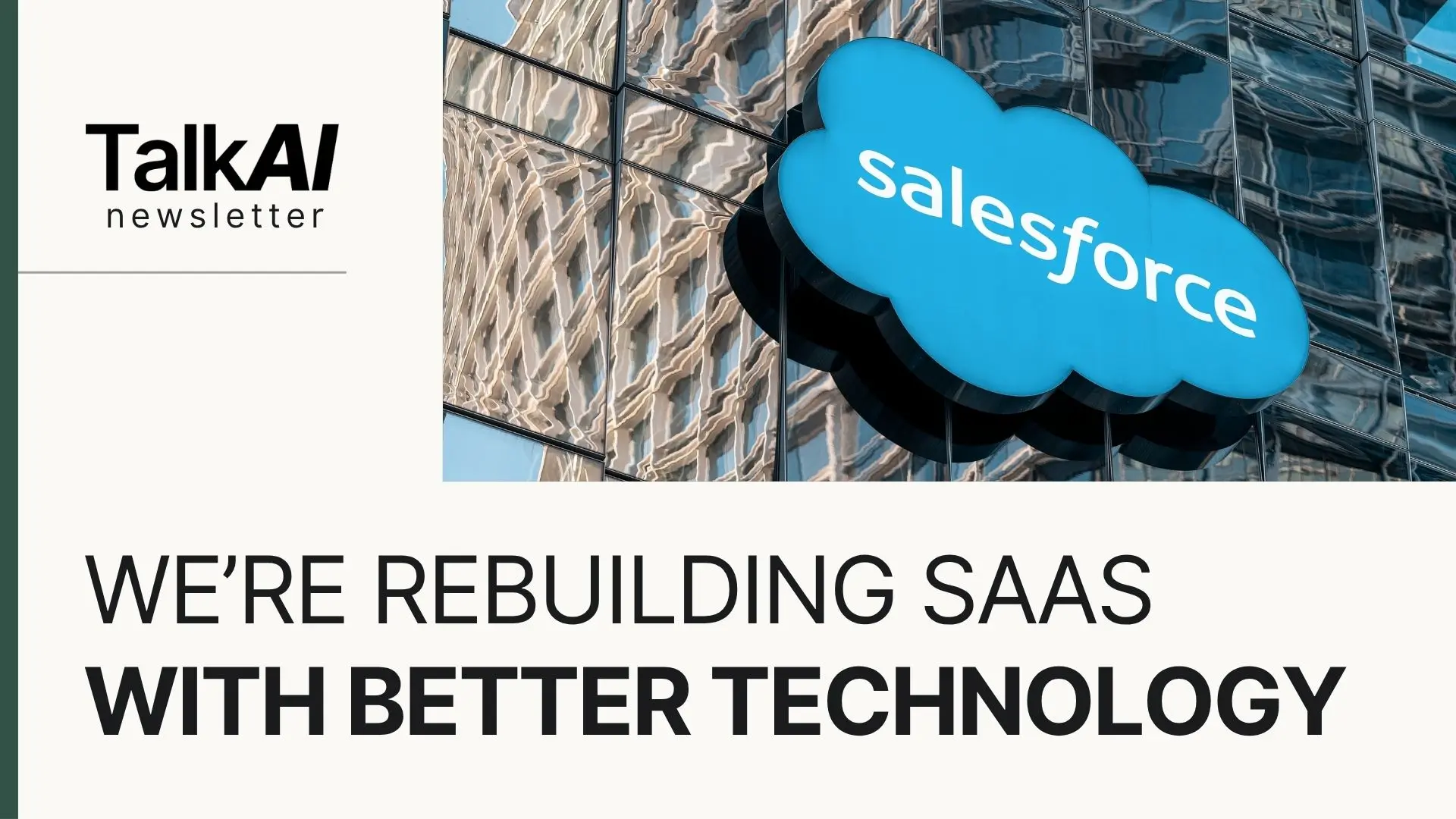
- Salesforce is hiring AI-native talent
- SharkNinja is hiring AI-native talent
- IBM is hiring AI-native talent
- Atonom is hiring AI-native talent
AI didn't make people unnecessary. It changed what they're needed for. Somebody still has to figure out where AI fits, what it should do, where it breaks, and how to make it better.
Two graduates walk into an interview. One spent the last two years learning AI. The other spent two years worrying about it. Guess who gets hired. You can complain that the game changed. Or you can learn how to play it.
If you choose to ignore this shift, if you keep hiding behind layers of professional supervisors who do nothing but pass information back and forth, the market will correct you. That correction will land in your calendar with zero warning.
Three Ways to Handle the Axe
Everyone thinks they know how they'd handle getting fired or laid off. Then a random person from HR joins the Zoom. Your stomach drops. And suddenly you know exactly what this meeting is about.
There are only 3 ways this goes.
Option 1: The Professional
You beat them to the punch. "Guys, I've been through this before. Thanks for everything. It's been a great run. Let's skip the small talk and just send me the paperwork." You've accepted the outcome before they finish the introduction.
Option 2: The Stoic
You say absolutely nothing. No questions, no emotion, no reaction. You sit there like you're listening to the weather report while your career is being rearranged in real time.
Option 3: The Detective
"What the hell happened?" You ask questions. You challenge the logic.
You try to figure out how you ended up in this meeting in the first place. Maybe you're angry. Maybe you're shocked. Maybe you just want answers.
Personally, I think all three are acceptable. Getting fired sucks. There is no perfect way to react when someone changes your life in a 15-minute calendar invite.
So...Which one are you? The Professional, the Stoic, or the Detective. And if you've been through it before... Did you react the way you thought you would?
A Reality Check
Whether you’re an employee trying to avoid that HR Zoom call, or a founder trying to keep your company off the chopping block, the safety net is gone. The separation between companies winning the execution race and those drowning in synthetic garbage comes down to a single choice.
You are either using technology to escape your operational duties, or you are using it to scale your strategic impact. At Atonom , we see this reality playing out across every function. The old playbook is burning down. If you want to build an autonomous organization that scales instead of an automated ghost town that collapses under its own weight, you have to execute the new playbook.
The line between who creates real value and who just shuffles papers has been permanently drawn. My advice: Own the outcome. Stop overthinking. Start executing.